
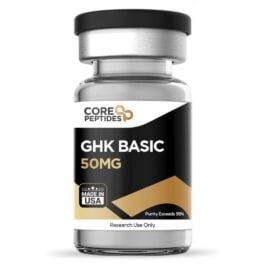
GHK Basic (50mg)
$49.00
Size: 50mg
Contents: GHK Basic (50mg)
Form: Lyophilized powder
Purity: >99%
SKU: P-GHK-Basic
Buy GHK-Cu Peptide 50mg – High Purity GHK Basic For Sale
Unlock the potential of regenerative science with our high-purity GHK-Cu peptide. Available for sale in a convenient 50mg vial, this GHK basic peptide is your key to groundbreaking research. Embrace the future of tissue repair and regeneration with a peptide designed for excellence.
Introduction to GHK-Cu Peptide
The GHK-Cu peptide, a naturally occurring copper tripeptide-1, is renowned for its regenerative properties. This powerful peptide has garnered attention for its potential in tissue repair and regeneration, collagen synthesis, and overall cellular health. Discover the myriad of ways GHK-Cu can revolutionize your research endeavors.
What is GHK-Cu?
GHK-Cu, or glycyl-l-histidyl-l-lysine copper, is a naturally occurring copper complex found in plasma. It’s celebrated for its role in wound healing, tissue remodeling, and antiinflammatory effects. As a copper tripeptide, GHK-Cu plays a vital part in various biological processes, making it an essential component in regenerative research.
Composition of GHK-Cu Peptide
The GHK-Cu peptide comprises glycyl-l-histidyl-l-lysine bound to a copper ion. This unique composition gives GHK-Cu its distinctive properties, including the ability to influence gene expression and promote collagen production. Available as a lyophilized powder, our GHK-Cu peptide ensures stability and ease of use for research applications. The lyophilized peptide ensures longevity and consistent results.
Importance of High Purity in Research Peptides
High purity is paramount when it comes to research peptides. Our GHK basic peptide undergoes rigorous third-party testing and comes with a certificate of analysis, guaranteeing exceptional quality and consistency. A high degree of purity ensures reliable results, minimizing the risk of skewed data due to contaminants, and maximizing the potential of GHK in your research.
Benefits of GHK-Cu Peptide
Skin Regeneration and Repair
The GHK-Cu peptide is celebrated for its impressive skin repair and regeneration capabilities. It actively boosts collagen synthesis, a crucial element for maintaining skin elasticity and reducing the appearance of wrinkles. The peptide also aids in wound healing, making it an essential component in skincare research. This naturally occurring copper tripeptide-1 supports overall cellular health, promoting a youthful and radiant complexion.
Anti-inflammatory Properties
Beyond its regenerative effects, the GHK-Cu peptide exhibits significant antiinflammatory properties. It effectively reduces inflammation, thereby alleviating skin irritation and redness. By modulating cytokine levels, GHK-Cu helps maintain a balanced cellular environment, contributing to overall skin health. These properties of GHK-Cu are vital for combating oxidative stress, which can lead to premature aging and various skin conditions. The antiinflammatory action of GHK-Cu are critical for tissue repair.
Effects of GHK-Cu on Hair Growth
GHK-Cu has shown promising effects of GHK-Cu on promoting hair growth and enhancing hair follicle health. The GHK-Cu copper peptide can stimulate collagen production around the hair follicle, creating an optimal environment for robust hair growth. By encouraging repair and regeneration at the cellular level, GHK-Cu may reverse the effects of thinning hair, making it a sought-after ingredient in hair care research.
Understanding GHK Basic Peptide
What is GHK Basic?
GHK basic is the fundamental tripeptide glycyl-l-histidyl-l-lysine, which serves as the foundation for GHK-Cu. While GHK basic lacks the copper ion, it still possesses inherent regenerative properties that influence various biological processes. Understanding GHK basic is crucial for appreciating the enhanced benefits of GHK-Cu. You can buy GHK basic for research use.
Differences Between GHK and GHK-Cu
The main difference between GHK and GHK-Cu lies in the presence of the copper ion. GHK-Cu, or glycyl-l-histidyl-l-lysine copper, has a copper ion bound to the tripeptide, enhancing its bioactivity. This addition amplifies its antiinflammatory, collagen synthesis, and wound healing capabilities. While GHK itself has regenerative potential, the copper complex in GHK-Cu provides a more potent effect, making it ideal for advanced research use. The effects on tissue remodeling are increased with the copper ion.
Applications of GHK Basic in Research
GHK basic finds diverse applications in research, particularly in studies related to tissue repair and regeneration. Researchers utilize GHK basic to explore its potential of GHK in collagen production, gene expression modulation, and its role in influencing cellular processes. While GHK-Cu is often preferred for its enhanced effects, GHK basic provides a valuable foundation for understanding the properties of GHK-Cu and its mechanisms of action.
Usage and Dosage of GHK-Cu Peptide
Recommended Dosage for Research
When utilizing the GHK-Cu peptide for research use, adhering to precise guidelines is critical, especially concerning dosage. Several factors influence the ideal amount. For instance, consider these aspects:
- The specific research objective.
- The experimental model being used.
Always consult relevant scientific literature and expert recommendations to determine the appropriate concentration for your study. Accurate dosage ensures reliable results and minimizes potential variables in your research findings, optimizing the potential of GHK.
How to Properly Use the 50mg Vial
To maximize the benefits of your 50mg vial of GHK-Cu peptide, careful handling and preparation are essential. Several key steps contribute to this:
- Reconstitute the lyophilized powder with sterile water or a suitable solvent, following the manufacturer’s instructions precisely. This ensures the peptide is properly dissolved and ready for your experiments.
- Store any remaining solution as directed to maintain its purity and efficacy for future research applications.
Proper handling preserves the properties of GHK-Cu.
Storage and Handling Guidelines
Proper storage is paramount to maintain the purity and integrity of the GHK-Cu peptide. To ensure its stability, it’s important to follow these guidelines:
- Store the lyophilized peptide in a cool, dry place, away from direct sunlight and moisture.
- Once reconstituted, keep the solution refrigerated and use it within a specified timeframe to prevent degradation.
Adhering to these storage and handling guidelines ensures consistent and reliable results in your research, preserving the regenerative capabilities of the peptide and its potential of GHK.
Quality Assurance and Certificates
Importance of Certificate of Analysis
A certificate of analysis (COA) is crucial when purchasing GHK-Cu for research use. This document provides detailed information about the peptide’s purity, composition, and quality, ensuring you receive a product that meets the required specifications. Reputable suppliers provide a COA from third-party tested labs, giving you confidence in the reliability and reproducibility of your research findings. Always verify the certificate of analysis to ensure the quality of the GHK-Cu peptide.
How to Verify Purity of GHK-Cu Peptide
Verifying the purity of your GHK-Cu peptide is a critical step in ensuring accurate and reliable research outcomes. Always request a certificate of analysis from the supplier, detailing the results of third-party tested analytical tests such as HPLC (High-Performance Liquid Chromatography) or mass spectrometry. These tests confirm the absence of contaminants and verify that the peptide meets the specified purity level, ensuring it is suitable for your research use, enhancing its regenerative capabilities.
Choosing Reputable Suppliers
Selecting a reputable supplier is essential to guarantee the quality and authenticity of your GHK-Cu peptide. Look for suppliers that offer third-party tested products and provide a certificate of analysis. Check for customer reviews and scientific publications that reference the supplier’s products. A reliable supplier will ensure that you receive a high-purity GHK-Cu peptide, maximizing the potential of GHK for your research endeavors, especially in areas like tissue repair, collagen production and wound healing.
Be the first to review “GHK Basic (50mg)”
Related products
Reviews
There are no reviews yet.